
Everest Three Pass Trek – Ultimate High-Altitude Adventure in Nepal
The Everest Three Pass Trek is one of the most challenging and rewarding trekking adventures in the Everest region of Nepal. This trek is designed for serious Himalayan travelers who want more than a simple walk to Everest Base Camp. It crosses three major high-altitude passes: Kongma La Pass, Cho La Pass, and Renjo La Pass. Along the way, trekkers visit world-famous destinations such as Everest Base Camp, Kala Patthar, Gokyo Lakes, Namche Bazaar, Tengboche, Dingboche, Lobuche, and Thame.
For adventure lovers comparing routes like the Annapurna circuit trek, short treks in Nepal, luxury trekking Nepal, trekking in Nepal, and the Everest Base Camp trek, the Everest Three Pass Trek stands out as a complete Himalayan experience. It combines remote mountain landscapes, Sherpa culture, glacier crossings, turquoise lakes, dramatic viewpoints, and close-up views of the world’s highest peaks.
Trip Description
The Everest Three Pass Trek is a demanding high-altitude adventure crossing Kongma La, Cho La, and Renjo La while visiting Everest Base Camp, Kala Patthar, and Gokyo Lakes. It is one of the finest trekking routes in Nepal for those who want to explore the Everest region deeply. Unlike the standard Everest Base Camp trek, this journey follows a longer and more adventurous trail, reaching hidden valleys and high mountain passes that many trekkers never experience.
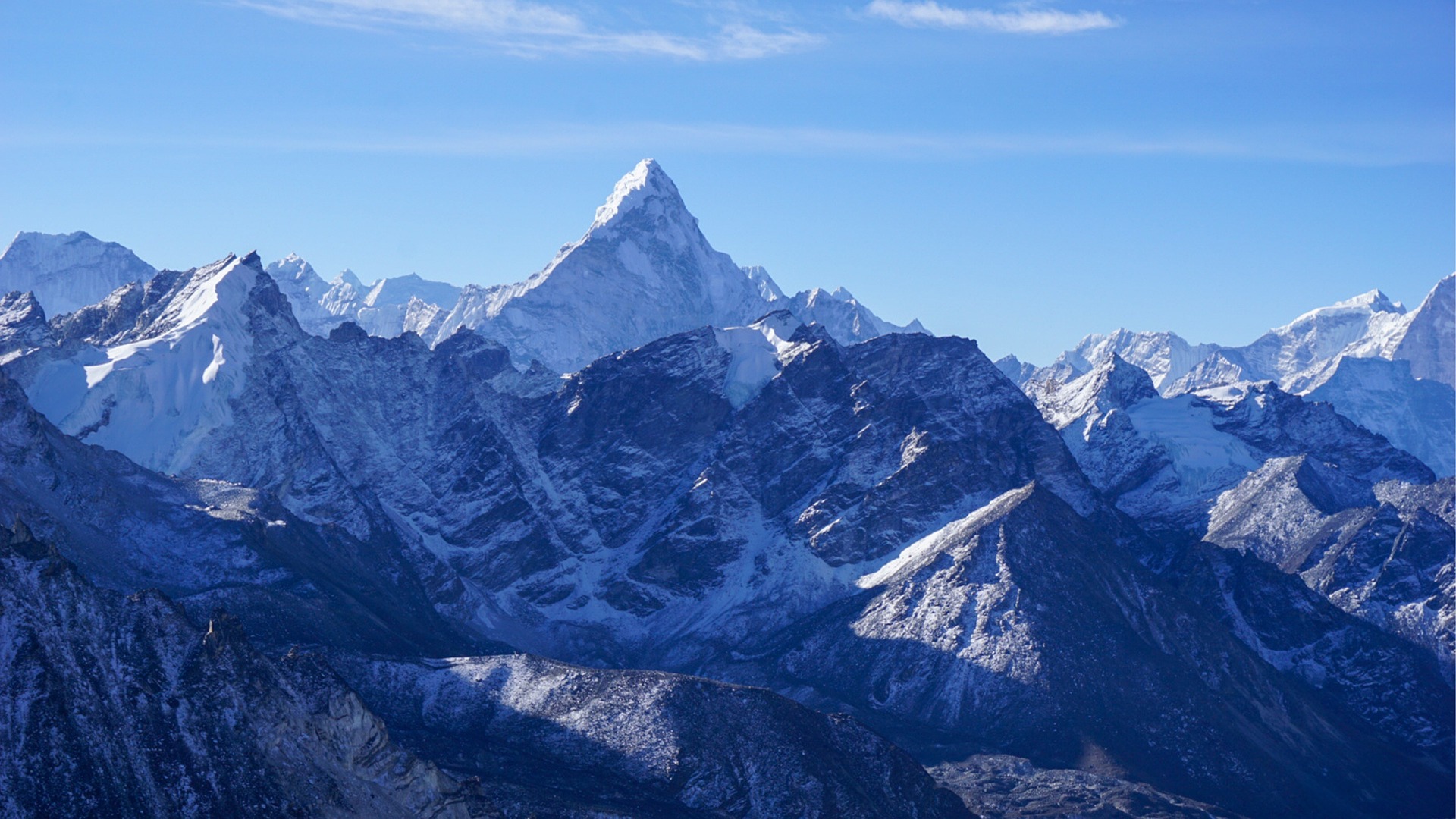
This trek begins with a scenic flight to Lukla, the gateway to the Everest region. From Lukla, the trail follows the Dudh Koshi River through beautiful Sherpa villages, suspension bridges, pine forests, monasteries, and mountain settlements. The early part of the route passes through Phakding and then reaches Namche Bazaar, the main trading center of the Khumbu region. Namche is also an important acclimatization stop where trekkers can enjoy views of Everest, Lhotse, Ama Dablam, and Thamserku.
For travelers who are researching trekking in Nepal, this route offers everything that makes the Himalayas special. It includes natural beauty, cultural richness, physical challenge, and unforgettable mountain scenery. The trail passes through Sagarmatha National Park, a UNESCO World Heritage Site known for its rare wildlife, alpine landscapes, and spiritual importance to the Sherpa people.
Why Choose the Everest Three Pass Trek?
The Everest Three Pass Trek is ideal for trekkers who want a more complete Everest experience. While the classic Everest Base Camp trek is famous and beautiful, the Three Pass route adds more adventure by crossing three high passes above 5,000 meters. These passes connect different valleys of the Everest region and provide spectacular panoramic views.
Kongma La Pass is often considered the most challenging of the three. It connects the Chukhung Valley with Lobuche and offers amazing views of Makalu, Lhotse, Nuptse, and surrounding peaks. Cho La Pass connects the Everest Base Camp side with the Gokyo Valley. This section includes rocky trails, steep climbs, and sometimes icy conditions. Renjo La Pass provides one of the best views in the Everest region, including Everest, Cho Oyu, Makalu, and the beautiful Gokyo Lakes below.
Compared with the Annapurna circuit trek, the Everest Three Pass Trek is generally more remote, higher in altitude, and physically more demanding. The Annapurna circuit trek is famous for its diverse landscapes, from subtropical forests to dry Himalayan valleys, while the Everest Three Pass Trek focuses more on high-altitude adventure, glaciers, mountain passes, and close views of Everest-region peaks.
Everest Base Camp and Kala Patthar Experience
One of the major highlights of this trek is reaching Everest Base Camp. Standing at the base of the world’s highest mountain is a dream for many trekkers. The trail to Everest Base Camp passes through Gorakshep and follows a rocky glacier route beside the Khumbu Glacier. During the climbing season, trekkers may see expedition tents, climbers, and the busy atmosphere of Everest expeditions.
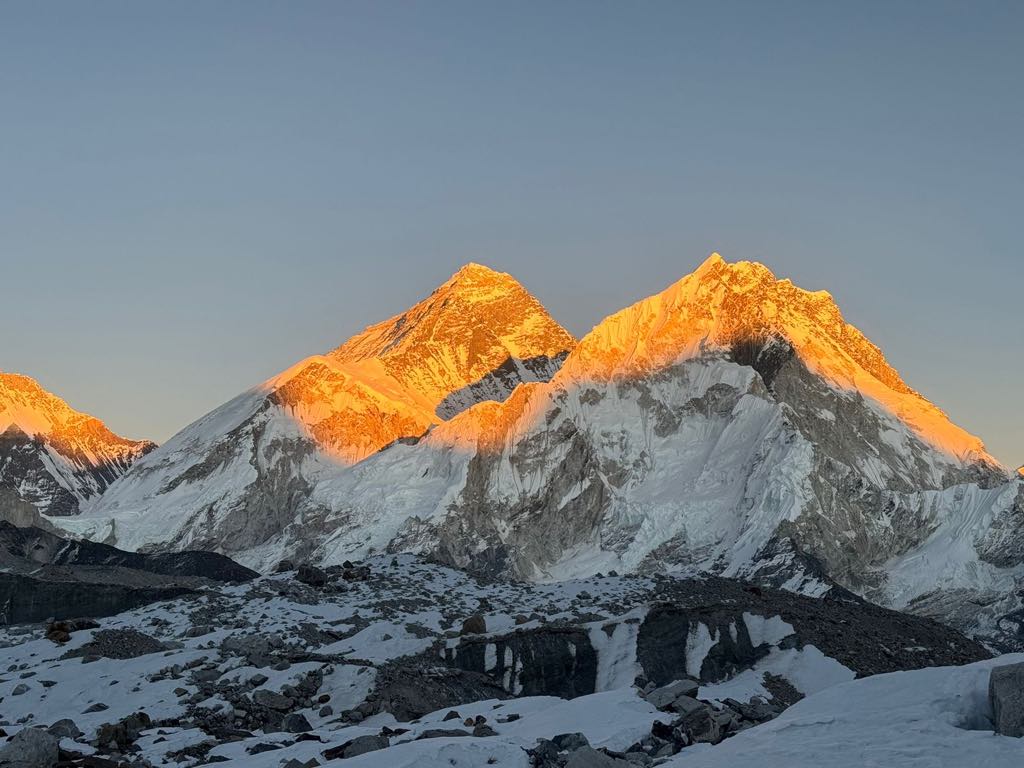
Kala Patthar is another unforgettable viewpoint on this journey. Many trekkers consider Kala Patthar the best place to see Mount Everest clearly. From the summit, you can enjoy breathtaking sunrise or sunset views over Everest, Nuptse, Pumori, Changtse, and other surrounding peaks. For anyone choosing between the normal Everest Base Camp trek and the Three Pass Trek, Kala Patthar remains one of the most powerful moments of the journey.
Gokyo Lakes and Gokyo Ri
The Everest Three Pass Trek also takes trekkers to the beautiful Gokyo Lakes, one of the most scenic places in the Khumbu region. These turquoise alpine lakes are surrounded by snowy peaks and dramatic landscapes. The peaceful beauty of Gokyo is very different from the busier Everest Base Camp trail.
A hike to Gokyo Ri is another major highlight. From the top, trekkers can see Everest, Lhotse, Makalu, Cho Oyu, and the massive Ngozumpa Glacier. The view from Gokyo Ri is often considered one of the finest panoramic viewpoints in Nepal. This makes the Everest Three Pass Trek more diverse and rewarding than many other routes.
Culture and Local Experience
The Everest region is not only about mountains. It is also the homeland of the Sherpa people, known worldwide for their mountaineering skills, hospitality, and Buddhist culture. Along the route, trekkers pass traditional villages, ancient monasteries, mani walls, prayer wheels, and colorful prayer flags.
Tengboche Monastery is one of the most important spiritual sites in the Everest region. Surrounded by mountains, this monastery offers a peaceful cultural experience during the trek. Visiting local teahouses, meeting Sherpa families, and learning about Himalayan traditions make the journey more meaningful.
For travelers interested in luxury trekking Nepal, the Everest region also offers upgraded trekking experiences. While the Three Pass Trek is physically demanding, some parts of the journey can be arranged with better lodges, private guides, porters, customized meals, and helicopter options. Luxury trekking does not remove the challenge of altitude and mountain terrain, but it can make the journey more comfortable and well-organized.
Difficulty and Preparation
The Everest Three Pass Trek is a strenuous trek. It is suitable for trekkers with good fitness, strong determination, and previous hiking experience. The route crosses multiple passes above 5,000 meters, so proper acclimatization is very important. Trekkers should walk slowly, drink enough water, take rest days, and follow the advice of experienced guides.
This trek is more difficult than many short treks in Nepal. Popular short treks in Nepal such as Ghorepani Poon Hill, Mardi Himal, Langtang Valley, or Everest View Trek are easier and require fewer days. The Everest Three Pass Trek usually takes around 18 to 22 days depending on the itinerary, acclimatization plan, and walking pace.
Good preparation includes regular cardio training, hiking practice, strength exercises, and mental readiness. Trekkers should also have proper gear, including warm clothing, waterproof jackets, trekking boots, gloves, sleeping bags, sunglasses, and trekking poles. Since weather can change quickly in the mountains, packing correctly is essential.
Best Time for Everest Three Pass Trek
The best seasons for the Everest Three Pass Trek are spring and autumn. Spring, from March to May, offers warmer weather, blooming rhododendrons in lower regions, and clear mountain views. Autumn, from September to November, is the most popular trekking season because of stable weather, clear skies, and excellent visibility.
Winter trekking is possible but more difficult due to snow, cold temperatures, and possible pass closures. Monsoon season is less recommended because of rain, clouds, flight delays, and slippery trails. Since this trek crosses high passes, choosing the right season is very important for safety and enjoyment.
Safety, Guides, and Local Support
Safety is one of the most important parts of the Everest Three Pass Trek. Because the trek reaches high altitude and remote areas, it is strongly recommended to travel with an experienced local guide and porter. A good trekking team helps with navigation, altitude management, accommodation, meals, permits, weather updates, and emergency support.
When comparing options for trekking in Nepal, travelers should choose a reliable Nepal trekking company with strong local knowledge. A trusted company will design a safe itinerary with proper acclimatization days, experienced guides, and flexible planning. This is especially important for the Three Pass Trek because weather, altitude, and trail conditions can affect the journey.
Everest Three Pass Trek vs Other Treks in Nepal
Nepal offers many trekking routes for different interests and fitness levels. The Annapurna circuit trek is perfect for trekkers who want cultural diversity, changing landscapes, and views of Annapurna, Dhaulagiri, Manaslu, and Tilicho areas. The Everest Base Camp trek is ideal for those who want to reach the base of Mount Everest with a classic itinerary. Short treks in Nepal are suitable for travelers with limited time who still want beautiful mountain views.
The Everest Three Pass Trek is best for trekkers who want a longer, harder, and more complete Everest adventure. It combines the major highlights of the Everest Base Camp trek with remote valleys, high passes, Gokyo Lakes, and incredible viewpoints. For experienced trekkers, it is one of the most satisfying routes in Nepal.
Conclusion
The Everest Three Pass Trek is a true Himalayan challenge and one of the most complete trekking experiences in Nepal. It is not just a trek to Everest Base Camp; it is a full circuit of the Everest region, crossing three high passes and exploring some of the most beautiful landscapes in the Himalayas.
For travelers comparing the Annapurna circuit trek, short treks in Nepal, luxury trekking Nepal, trekking in Nepal, and the Everest Base Camp trek, the Everest Three Pass Trek offers a powerful combination of adventure, culture, scenery, and achievement. It is demanding, but every step rewards trekkers with unforgettable views, deep mountain silence, and the proud feeling of crossing one of Nepal’s greatest trekking routes.
Related Nepal Trekking Packages
- Annapurna circuit trek - Thorong la pass
- short treks in Nepal - Annapurna Sanctuary Trek vie Ghorepani
- luxury trekking Nepal - Annapurna Base Camp