
Tsum Valley Trekking – A Sacred Himalayan Journey in Nepal
Tsum Valley is one of Nepal’s most peaceful and culturally rich trekking destinations, hidden deep in the northern Gorkha district near the Tibetan border. Known as the “Hidden Valley of Happiness,” this sacred Himalayan valley offers a rare combination of ancient Buddhist culture, untouched mountain landscapes, remote village life, and spiritual experiences that are difficult to find on more commercial trekking routes. For travelers planning trekking in Nepal, the Tsum Valley Trek is an excellent choice for those who want something quieter, more meaningful, and deeply connected to local tradition.
Unlike popular routes such as Everest and Annapurna, Tsum Valley remains less crowded and more authentic. The valley was restricted to outsiders until 2008, which helped preserve its unique Tibetan Buddhist heritage, monasteries, prayer flags, mani walls, meditation caves, and traditional lifestyle. A 15-day Tsum Valley itinerary allows trekkers to slowly enter this sacred landscape, walk through remote villages, meet warm local communities, and experience the spiritual atmosphere of the Manaslu region.
Why Choose the Tsum Valley Trek?
Tsum Valley is ideal for trekkers who want to explore a hidden part of Nepal without the heavy crowds of mainstream trekking trails. While many travelers search for Everest Base Camp trek cost or compare the famous Annapurna circuit trek, Tsum Valley offers a very different kind of value. It is not only about reaching high viewpoints or crossing dramatic passes; it is about walking through a living Himalayan culture that has remained protected for generations.
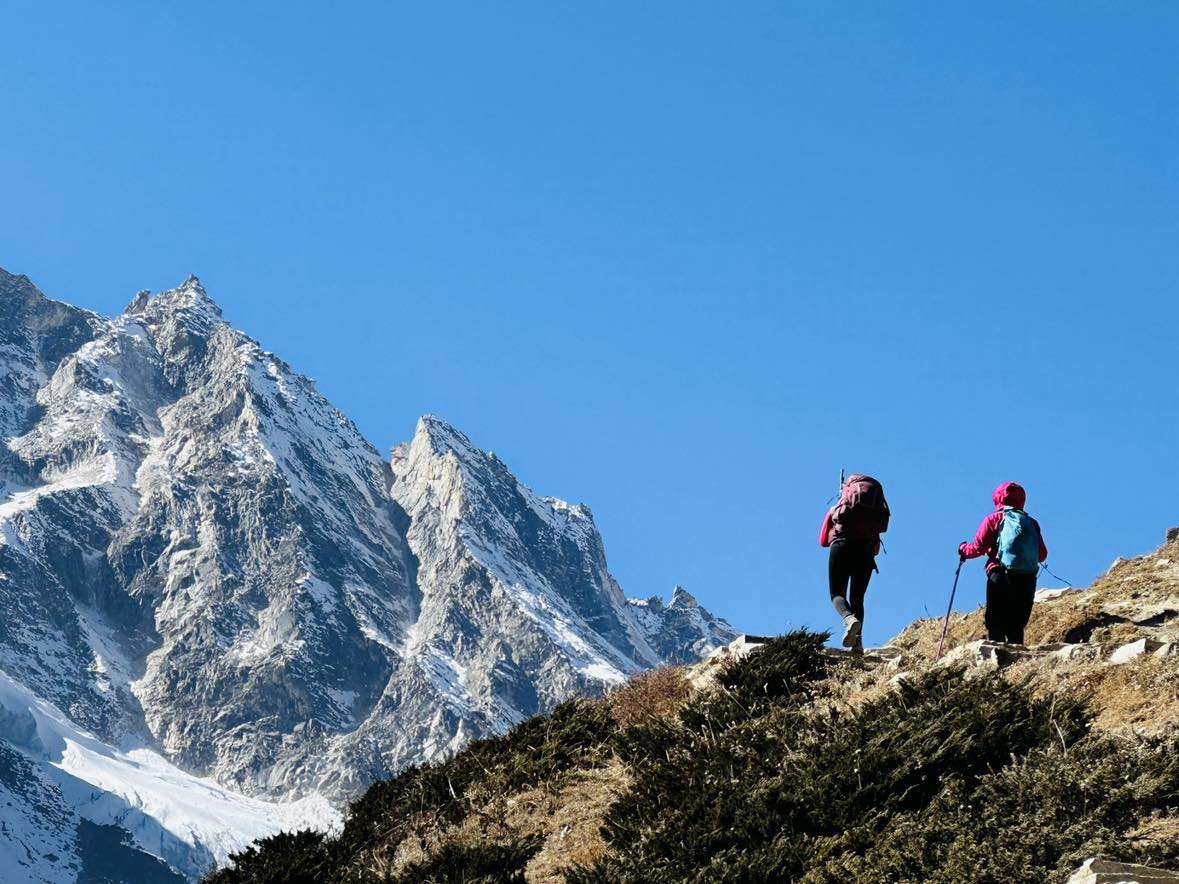
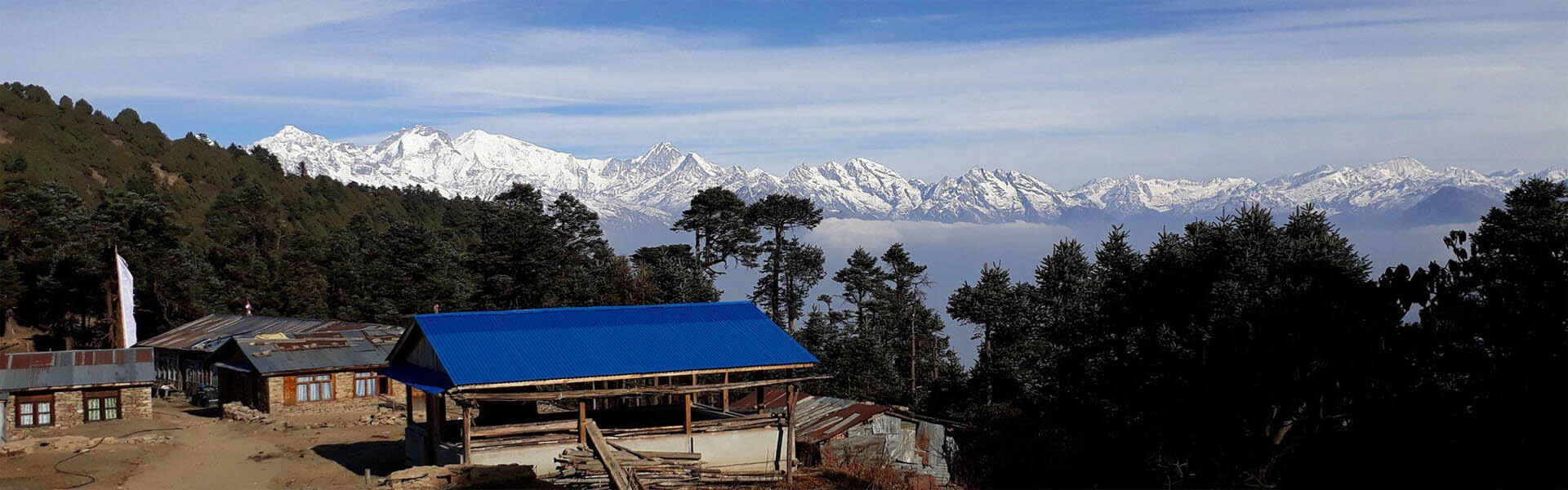
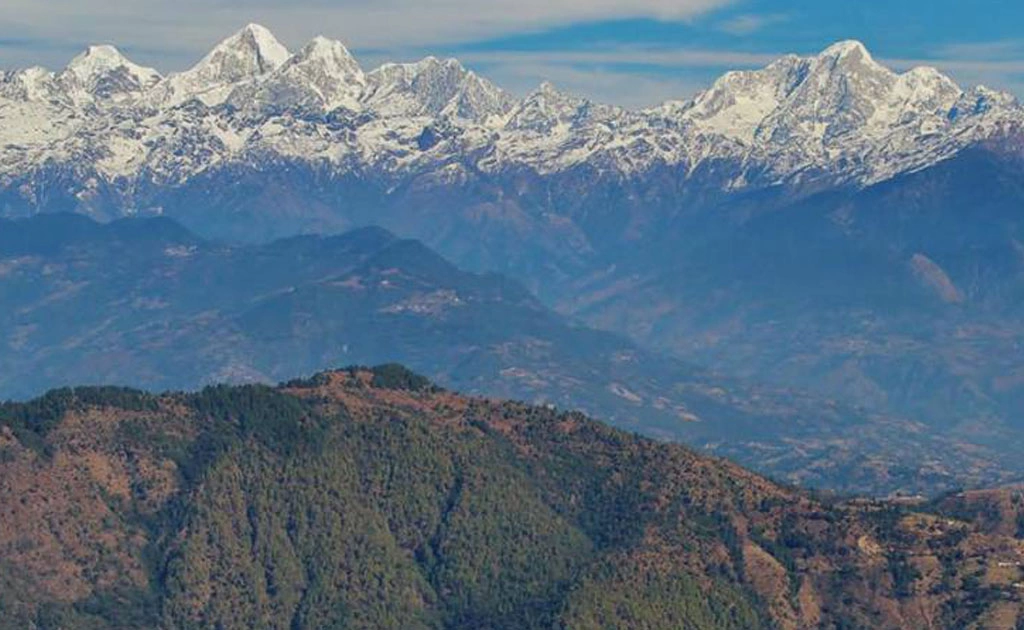
The trek takes you through beautiful forests, suspension bridges, river valleys, terraced fields, Buddhist villages, and high-altitude monasteries. Along the way, trekkers can enjoy views of Ganesh Himal, Sringi Himal, Boudha Himal, and other snow-covered peaks. The route also passes through traditional settlements such as Chumling, Chhokangparo, Nile, and Mu Gompa, where local people follow Tibetan Buddhist customs and maintain a simple mountain lifestyle.
For travelers who are looking for short treks in Nepal, Tsum Valley may feel slightly longer than a quick 3-to-7-day trek, but the 15-day itinerary is still well-balanced for those who want a complete cultural and scenic experience without extreme climbing. It is suitable for trekkers with moderate fitness and a strong interest in culture, nature, and spirituality.
Cultural Beauty of the Hidden Valley
The main attraction of Tsum Valley is its preserved Tibetan Buddhist culture. The people of this region are mostly of Tibetan origin and speak a local dialect influenced by Tibetan language and tradition. Their lifestyle is simple, peaceful, and strongly connected to religion. Villages are decorated with prayer flags, chortens, mani walls, and stone inscriptions of Buddhist mantras.
One of the most important highlights of the trek is Mu Gompa, the largest monastery in the valley. Located near the Tibetan border, Mu Gompa gives trekkers a powerful sense of isolation and spiritual calm. The monastery is surrounded by dramatic mountain scenery and offers insight into the religious life of monks and local communities. Another important spiritual site is Rachen Gompa, a nunnery that plays a major role in preserving Buddhist education and practice in the valley.
Tsum Valley is also associated with Guru Rinpoche, also known as Padmasambhava, who is believed to have meditated in caves around the region. These sacred caves and meditation sites make the trek especially meaningful for travelers interested in Buddhism, spirituality, and Himalayan history.
Natural Scenery and Mountain Views
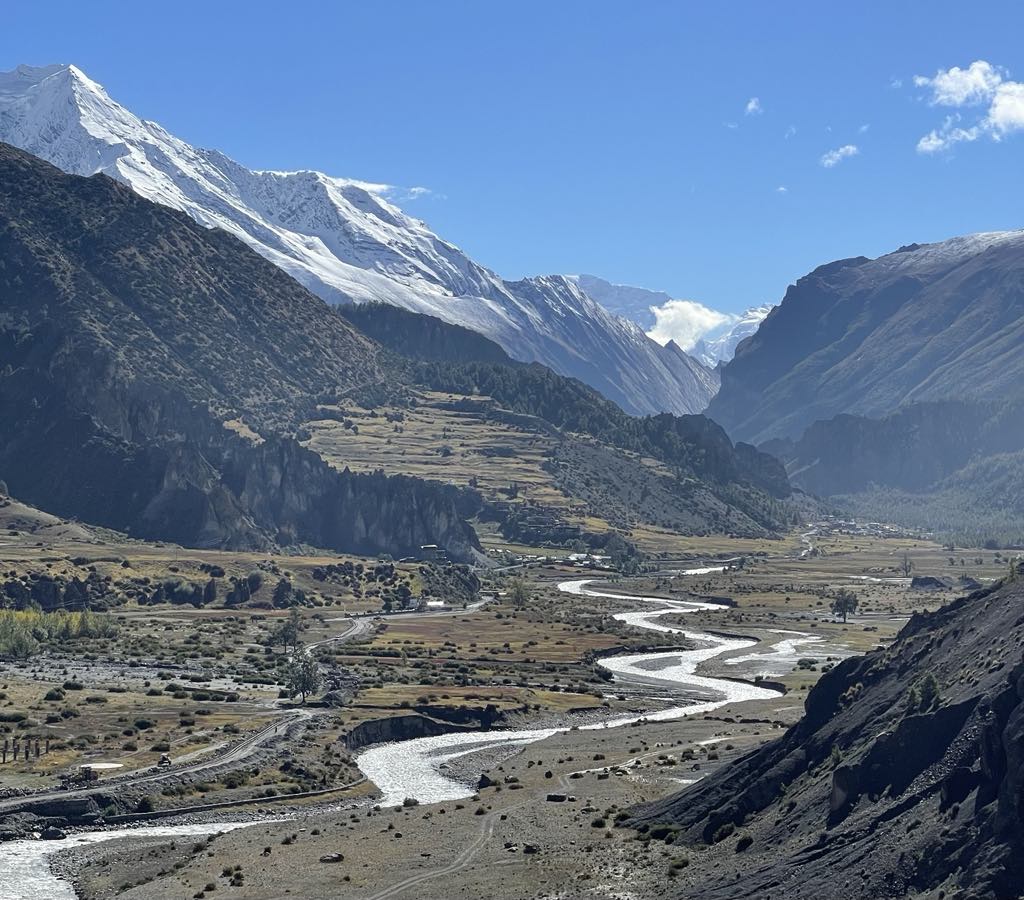
Tsum Valley is surrounded by dramatic Himalayan landscapes. The lower parts of the trek pass through green hills, forests, waterfalls, and rivers, while the higher sections open into wide valleys and alpine scenery. The Budhi Gandaki River valley adds natural beauty to the trail, with deep gorges, rocky cliffs, and suspension bridges creating an adventurous trekking experience.
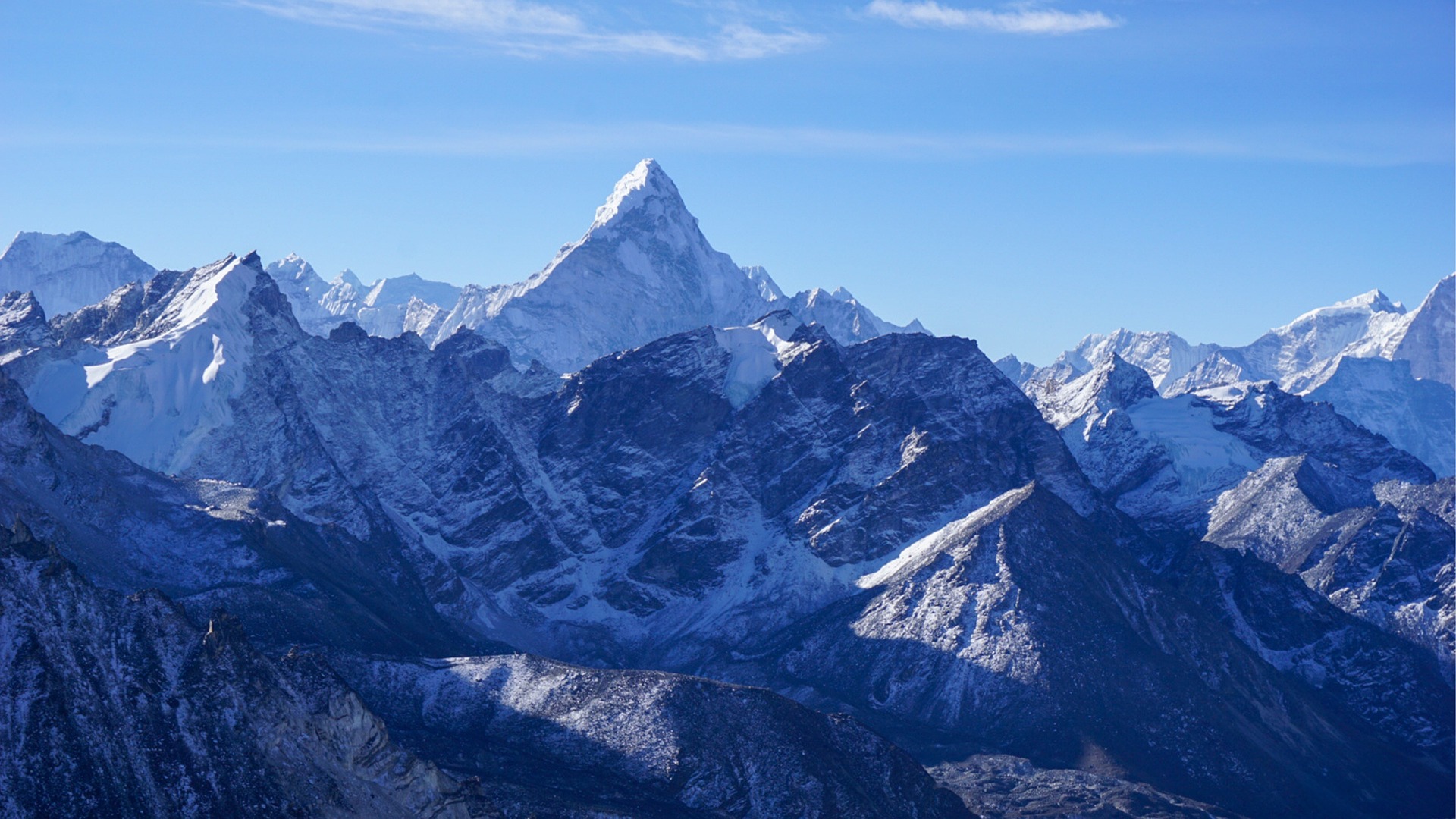
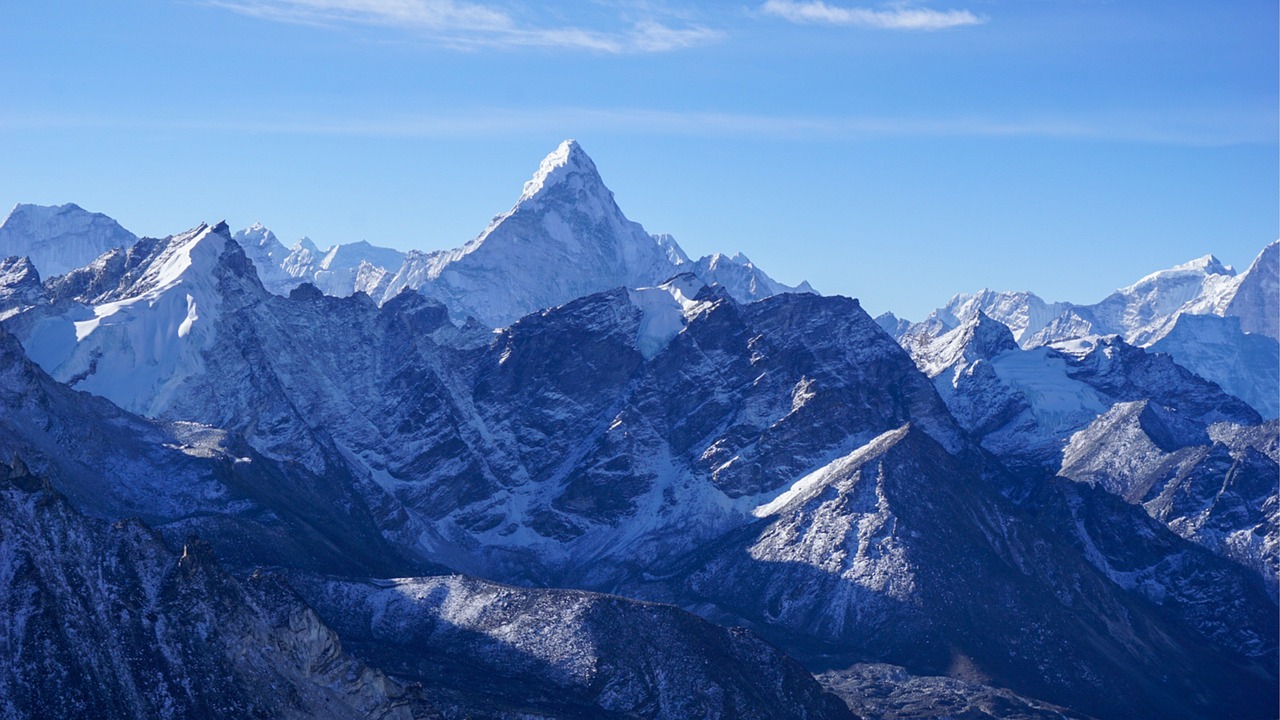
As the trek moves higher, the views become more impressive. Trekkers can enjoy panoramic sights of Ganesh Himal, Sringi Himal, Boudha Himal, and nearby peaks of the Manaslu region. The landscape feels wild and untouched, making it a perfect destination for photographers, nature lovers, and trekkers who enjoy quiet trails.
Compared with the commercial atmosphere of Everest and Annapurna, Tsum Valley feels more remote and peaceful. Travelers who have already researched Everest Base Camp trek cost or considered the Annapurna circuit trek may find Tsum Valley to be a refreshing alternative with stronger cultural depth and fewer crowds.
Tsum Valley Trekking Itinerary Overview
A 15-day Tsum Valley Trek usually begins with a scenic drive from Kathmandu to Machha Khola or a nearby starting point in the Gorkha region. From there, the trail gradually follows the Budhi Gandaki River and enters the remote Manaslu and Tsum Valley area. The route passes through villages such as Jagat, Lokpa, Chumling, Chhokangparo, Nile, and Mu Gompa before returning through the same valley.
The itinerary is designed to allow proper acclimatization and cultural exploration. Since the valley reaches elevations of around 4,000 meters, a steady pace is important for safety and comfort. Trekkers should expect daily walking of around 5 to 7 hours depending on the section of the trail.
This trek is not as high as Everest Base Camp, but it still requires preparation. The route includes uphill climbs, stone steps, narrow trails, suspension bridges, and remote areas with basic facilities. However, the rewards are outstanding: peaceful villages, ancient monasteries, mountain views, and a strong sense of connection with the Himalayan way of life.
Tsum Valley Trek vs Everest and Annapurna
Many travelers begin their Nepal trekking research by looking for Everest Base Camp trek cost, the Annapurna circuit trek, or popular short treks in Nepal. These are excellent choices, but Tsum Valley stands apart because of its spiritual and cultural focus.
Everest Base Camp is famous for its dramatic mountain views, Sherpa culture, and the goal of reaching the base of the world’s highest mountain. The Annapurna Circuit is known for diverse landscapes, the Thorong La Pass, and excellent teahouse facilities. Tsum Valley, however, offers a quieter and more sacred experience. It is less about competition or bucket-list achievement and more about slow travel, cultural respect, and spiritual discovery.
For trekkers who want comfort, guided service, and carefully arranged logistics, Tsum Valley can also be planned as part of luxury trekking Nepal services. While the region is remote and facilities are more basic than Everest or Annapurna, a reliable trekking company can provide experienced guides, porters, transportation, permits, meals, accommodation arrangements, and safety support to make the journey smoother and more comfortable.
Is Tsum Valley Suitable for Luxury Trekking?
Tsum Valley is a remote trekking destination, so luxury here does not always mean five-star hotels or modern facilities. Instead, luxury trekking Nepal in this region means personalized service, professional guidance, private transportation where possible, quality meals, clean accommodation arrangements, experienced porters, proper acclimatization planning, and strong safety management.
A well-organized luxury-style trek can make a major difference in remote areas like Tsum Valley. Having a knowledgeable guide helps trekkers understand the local culture, communicate with villagers, visit important monasteries, and walk at a safe pace. Porters reduce physical stress, allowing travelers to enjoy the scenery and culture more deeply. Good planning also ensures that permits, route timing, meals, and emergency support are properly managed.
For travelers who want a peaceful Himalayan experience without unnecessary stress, choosing a trusted operator is highly recommended.
Best Time for Tsum Valley Trek
The best seasons for the Tsum Valley Trek are spring and autumn. Spring, from March to May, brings warmer weather, blooming rhododendrons, and clear mountain views. Autumn, from September to November, is considered one of the best times for trekking in Nepal because the skies are usually clear, the weather is stable, and the mountain views are excellent.
Winter is possible but colder, especially in the higher parts of the valley. Some lodges may have limited services during the coldest months. Monsoon season, from June to August, brings rain, landslides, leeches, and cloudy views, so it is generally less recommended for this route.
Permits and Trekking Requirements
Tsum Valley lies in a restricted area, so trekkers need special permits. Usually, the required permits include the Tsum Valley Restricted Area Permit, Manaslu Conservation Area Permit, and sometimes additional permits depending on the exact route. Trekkers must travel with a registered guide through a licensed trekking agency, as solo trekking is not allowed in restricted regions.
This requirement helps protect the region’s culture, environment, and local communities. It also improves safety for trekkers, as the trail is remote and communication can be limited in some areas.
Who Should Join the Tsum Valley Trek?
The Tsum Valley Trek is suitable for travelers who love culture, spirituality, nature, and quiet mountain trails. It is perfect for those who want to go beyond the most commercial routes and experience a hidden side of Nepal. Trekkers should have moderate fitness and be comfortable walking several hours per day.
This trek is especially good for travelers who are comparing short treks in Nepal but want something deeper and more rewarding. While it requires more days than a short trek near Pokhara or Kathmandu, it offers a much stronger cultural experience and a true feeling of Himalayan remoteness.
It is also a great option for trekkers who have already completed the Everest or Annapurna routes and want to explore a new region. If you have previously researched Everest Base Camp trek cost or completed the Annapurna circuit trek, Tsum Valley can be your next meaningful Himalayan adventure.
Responsible Trekking in Tsum Valley
Because Tsum Valley is culturally sensitive and environmentally fragile, responsible trekking is very important. Trekkers should respect local customs, ask before taking photographs, avoid disturbing religious sites, dress modestly near monasteries, and support local teahouses and communities.
Plastic waste should be minimized, and trekkers should carry reusable water bottles whenever possible. Walking with respect and awareness helps preserve the beauty and spiritual value of the valley for future generations.
Final Thoughts
Tsum Valley Trekking is one of the most unique journeys for trekking in Nepal. It combines sacred Buddhist culture, remote Himalayan scenery, ancient monasteries, traditional villages, and peaceful trails into one unforgettable experience. While routes like Everest Base Camp and Annapurna Circuit remain world-famous, Tsum Valley offers something quieter, deeper, and more spiritual.
For travelers comparing Everest Base Camp trek cost, planning the Annapurna circuit trek, searching for meaningful short treks in Nepal, or looking for comfortable and well-managed luxury trekking Nepal experiences, Tsum Valley is a powerful alternative. It is a journey into a hidden valley where culture, mountains, and spirituality come together beautifully.
The 15-day Tsum Valley Trek is not just a walking holiday; it is a cultural and spiritual journey through one of Nepal’s most preserved Himalayan regions. For serious travelers seeking authenticity, peace, and natural beauty, Tsum Valley is one of the best trekking experiences Nepal has to offer.
Related Nepal Trekking Packages
- Everest Base Camp trek cost - Thorong la pass
- Annapurna circuit trek - Annapurna Sanctuary Trek vie Ghorepani
- short treks in Nepal - Annapurna Base Camp