
Everest Three Pass Trek Roadway – A Complete Himalayan Adventure by Jeep and Trail
The Everest Three Pass Trek Roadway is one of the most adventurous and rewarding journeys in the Everest region of Nepal. This trekking route is designed for travelers who want to experience the full beauty of the Khumbu Himalaya while reducing dependency on mountain flights. Instead of flying directly to Lukla, the roadway variant reaches the Khumbu trailhead by private jeep, giving trekkers a more flexible and scenic approach to the Everest region. It still completes the classic Everest Three Passes circuit, crossing high Himalayan passes, visiting Sherpa villages, walking through remote valleys, and reaching some of the most iconic viewpoints in Nepal.
For travelers searching for luxury trekking Nepal, this roadway version offers a special balance of adventure, comfort, flexibility, and authentic Himalayan experience. It is ideal for those who want a serious trekking challenge but also prefer better planning, reliable logistics, private transport, professional guides, and carefully managed services. The route avoids the uncertainty of Lukla flights at the beginning of the journey and allows trekkers to enjoy a gradual transition from city roads to mountain trails.
The Everest Three Pass Trek is widely considered one of the best routes for experienced trekkers who want more than a standard Everest journey. While the famous Everest Base Camp trek follows a direct trail to the base of the world’s highest mountain, the Three Passes route explores a much wider area of the Khumbu region. Trekkers cross Renjo La Pass, Cho La Pass, and Kongma La Pass, each offering dramatic mountain views and a deep sense of Himalayan achievement. Along the way, the trail connects beautiful places such as Namche Bazaar, Thame, Gokyo Valley, Dzongla, Lobuche, Gorakshep, and Chhukung.
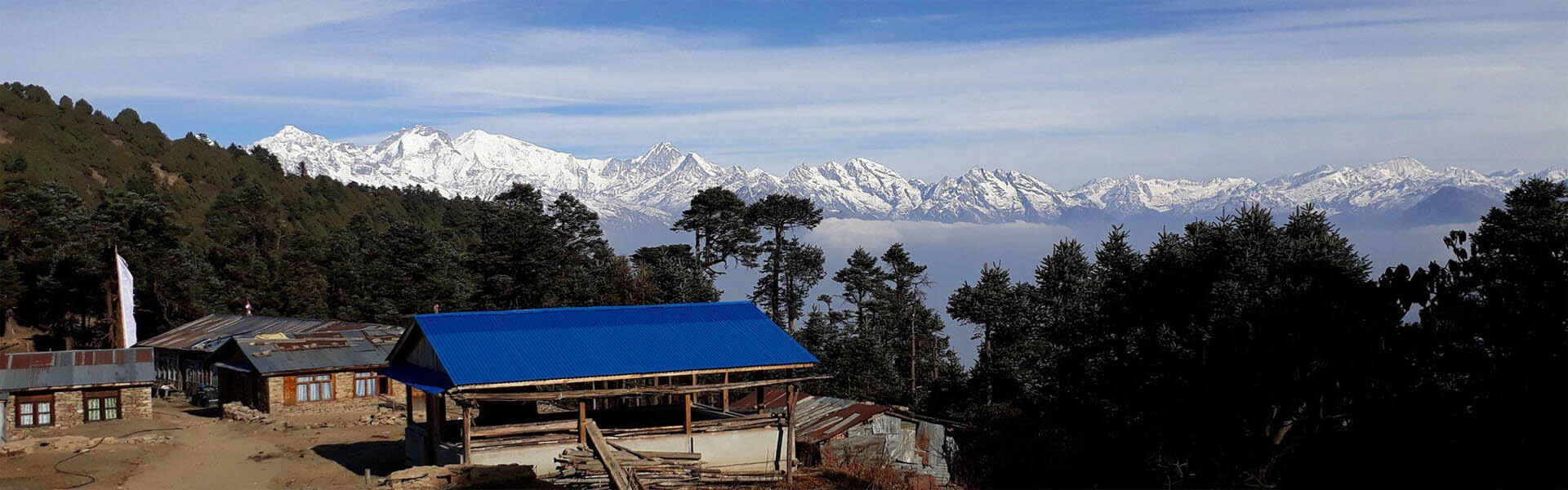
One of the major highlights of this itinerary is the roadway access. Many trekkers worry about flight delays, cancellations, and weather problems when flying to Lukla. The roadway variant helps minimize that issue by using a private jeep to reach the lower Khumbu trailhead. This makes the journey more dependable, especially during busy trekking seasons or changing weather conditions. The road journey also gives travelers a chance to see rural Nepal, terraced farms, rivers, hills, local markets, and small villages before entering the high mountain region.
For anyone interested in trekking in Nepal, this route represents the true spirit of Himalayan travel. It is not just about reaching one destination. It is about walking through changing landscapes, meeting local people, adjusting to altitude, crossing ancient trading paths, and witnessing some of the most powerful mountain scenery on earth. The Everest Three Pass Trek Roadway is demanding, but every day brings new rewards.
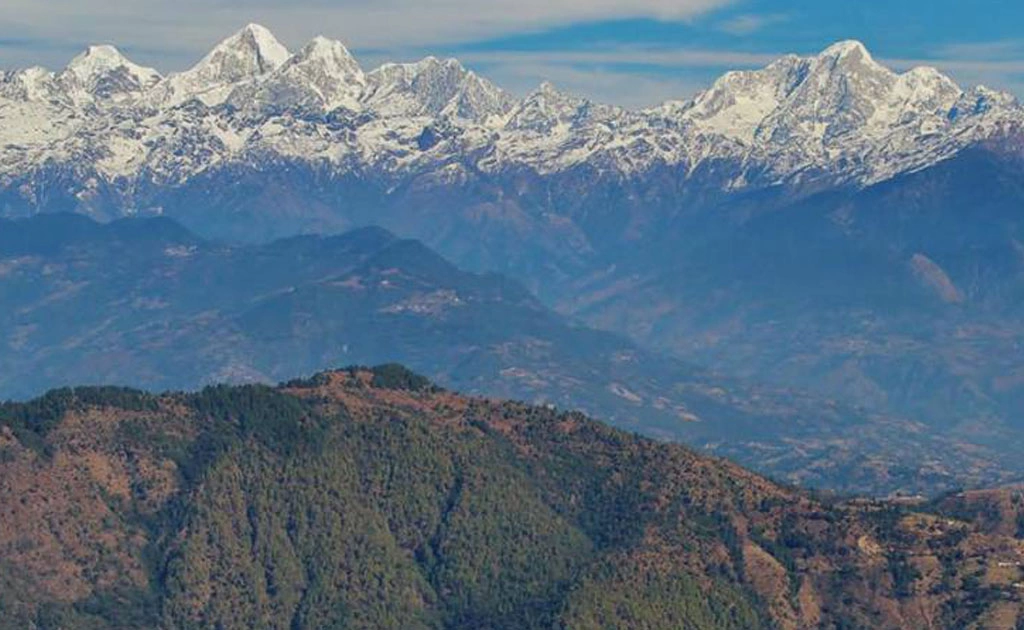
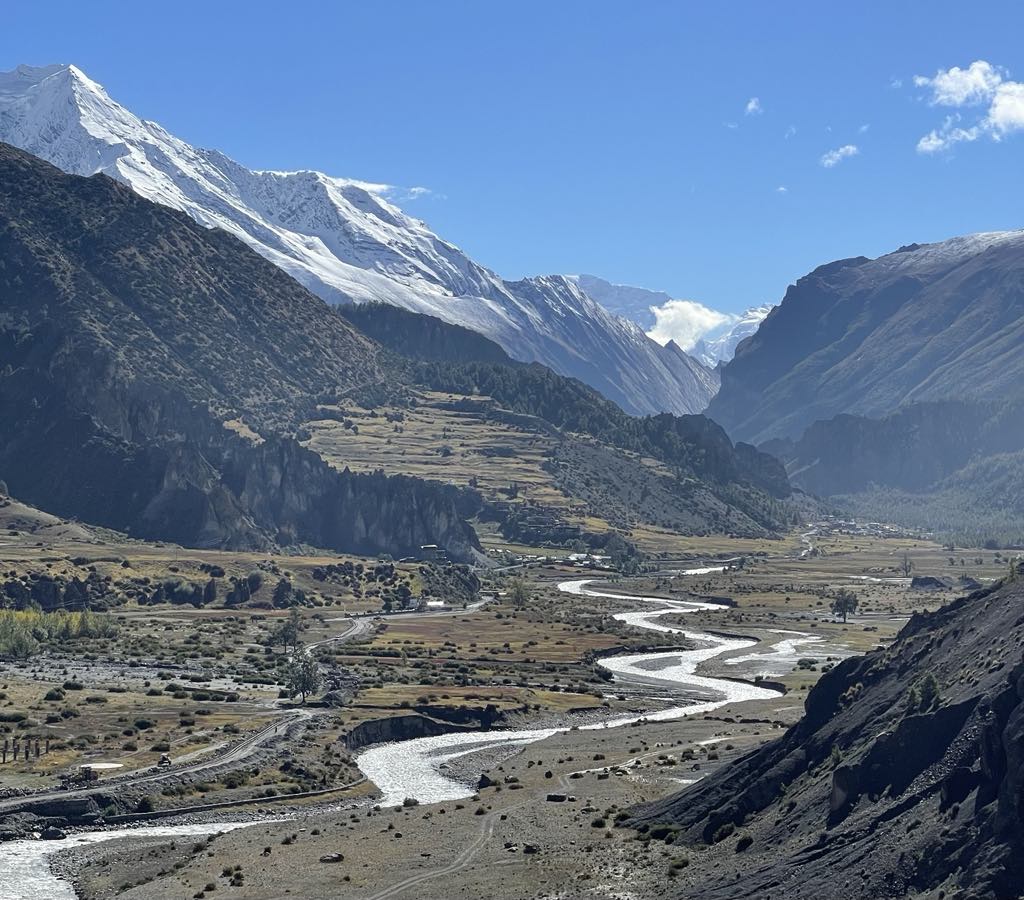
The trek usually begins with a drive from Kathmandu toward the lower Everest region. From the road-accessible trailhead, the walking journey gradually climbs through Sherpa settlements and forested trails. The route passes through rhododendron forests, suspension bridges, prayer wheels, mani walls, monasteries, and stone-built mountain villages. As the altitude increases, the landscape becomes more dramatic, with open valleys, glacial rivers, rocky trails, and snow-covered peaks dominating the horizon.
Namche Bazaar is one of the most important stops on the trek. Known as the gateway to Everest, Namche is a lively Sherpa town with lodges, bakeries, gear shops, cafes, and incredible mountain views. Trekkers usually spend an acclimatization day here to adjust to the altitude. This is also a good place to learn about Sherpa culture, visit local viewpoints, and prepare for the higher sections of the journey.
From Namche, the route continues toward Thame and the Renjo La region. Renjo La Pass is one of the most beautiful high passes in the Everest region. From the top, trekkers can enjoy stunning views of Everest, Lhotse, Makalu, Cho Oyu, and the turquoise lakes of Gokyo. The descent to Gokyo Valley is unforgettable. Gokyo is quieter than the standard Everest Base Camp route and offers a peaceful Himalayan atmosphere surrounded by lakes and glaciers.
Gokyo Ri is another major viewpoint on this trek. The sunrise or sunset view from Gokyo Ri is one of the finest in the Himalayas. From here, trekkers can see Mount Everest and several other giant peaks rising above the Ngozumpa Glacier. This part of the journey is especially attractive for photographers, mountain lovers, and travelers who want a deeper Everest experience beyond the usual trail.
After Gokyo, the trek crosses Cho La Pass, one of the most challenging sections of the route. The trail includes rocky paths, icy sections, and steep climbs, so good preparation and guidance are important. With an experienced trekking team, the crossing becomes a safe and memorable adventure. After Cho La, the route connects toward Dzongla and Lobuche, joining the classic Everest Base Camp trek trail.
Reaching Everest Base Camp is one of the most emotional moments of the journey. Standing near the base of Mount Everest, surrounded by glaciers, ice formations, and towering peaks, gives trekkers a powerful sense of achievement. Although the summit of Everest is not visible from base camp itself, the atmosphere is extraordinary. During expedition season, the area becomes lively with climbing teams, tents, and mountaineering energy.
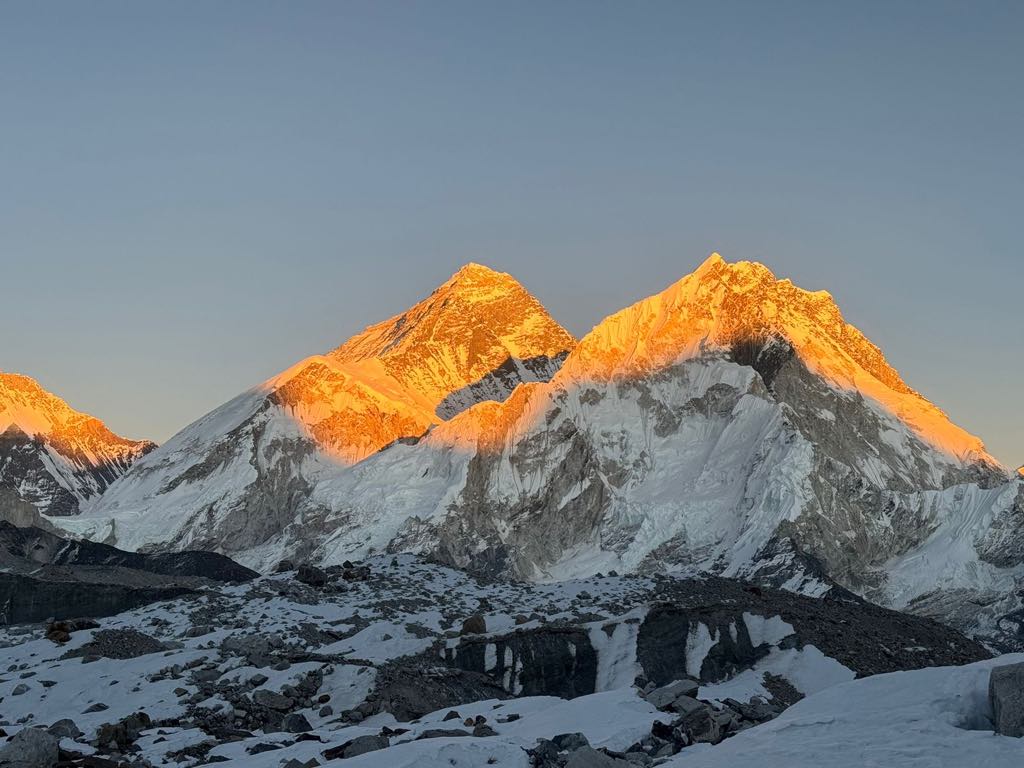
The nearby viewpoint of Kala Patthar offers one of the best panoramic views of Mount Everest. Many trekkers climb Kala Patthar early in the morning for sunrise. The golden light touching Everest, Nuptse, Pumori, and surrounding peaks creates a truly unforgettable Himalayan scene. For many visitors, this is the visual highlight of the entire trek.
After completing Everest Base Camp and Kala Patthar, the route continues toward Kongma La Pass, the third and often considered the most demanding pass of the circuit. Kongma La offers wild, remote scenery and a strong sense of isolation. Crossing this pass completes the Three Passes challenge and brings trekkers toward Chhukung and the Imja Valley. This section is ideal for those who want to feel the raw wilderness of the Everest region.
Compared with the Annapurna Base Camp trek, the Everest Three Pass Trek Roadway is longer, higher, and more physically demanding. The Annapurna Base Camp trek is famous for its natural diversity, forest trails, Gurung villages, and close-up views of Annapurna and Machhapuchhre. In contrast, the Everest Three Passes route focuses more on high-altitude passes, glacial landscapes, Sherpa culture, and views of the world’s highest peaks. Both treks are beautiful, but the Three Passes route is better suited for trekkers looking for a serious Himalayan challenge.
This trek is also an excellent choice for travelers comparing different Nepal trekking packages. Many trekking packages in Nepal focus on popular routes, but the Everest Three Pass Trek Roadway offers something more complete. It includes road access, cultural experience, high mountain adventure, Everest Base Camp, Gokyo Lakes, three major passes, and several world-class viewpoints. For serious Himalayan travelers, it is one of the most complete trekking experiences available in Nepal.
The luxury aspect of this journey does not mean avoiding adventure. Instead, luxury trekking Nepal means better service, careful planning, reliable transportation, experienced guides, quality accommodation where available, proper meals, safety support, and a comfortable trekking pace. In remote mountain regions, luxury is also about peace of mind. Having a professional team, well-managed logistics, emergency planning, and personalized care makes a major difference on a challenging route like this.
Safety is one of the most important parts of this trek. Because the route crosses high passes above 5,000 meters, proper acclimatization is essential. A good itinerary should include rest days, gradual altitude gain, flexible planning, and daily health monitoring. Trekkers should be physically prepared and should not rush the route. The roadway approach can also support better schedule control by reducing the risk of flight delays at the beginning of the trip.
The best seasons for the Everest Three Pass Trek Roadway are spring and autumn. Spring, from March to May, offers warmer weather, blooming rhododendrons in lower areas, and active expedition activity near Everest Base Camp. Autumn, from September to November, is known for clear skies, stable weather, and excellent mountain visibility. Winter is possible for experienced trekkers, but snow and cold temperatures can make pass crossings more difficult. Monsoon season is less recommended because of rain, clouds, and possible road conditions.
This trek is suitable for experienced trekkers, adventure travelers, photographers, mountain lovers, and those who want a complete Everest region circuit. It is not the easiest trekking option in Nepal, but it is one of the most rewarding. Trekkers should have good fitness, a positive mindset, and willingness to walk long days in high-altitude conditions.
In conclusion, the Everest Three Pass Trek Roadway is a remarkable journey that combines private jeep access, classic Khumbu trails, Everest Base Camp, Gokyo Lakes, and three legendary high passes. For travelers seeking luxury trekking Nepal, authentic trekking in Nepal, the famous Everest Base Camp trek, comparisons with the Annapurna Base Camp trek, and premium Nepal trekking packages, this route delivers exceptional value. It is a journey for serious Himalayan travelers who want adventure, safety, culture, comfort, and unforgettable mountain beauty in one complete trekking experience.
Related Nepal Trekking Packages
- luxury trekking Nepal - Thorong la pass
- trekking in Nepal - Annapurna Sanctuary Trek vie Ghorepani
- Everest Base Camp trek - Annapurna Base Camp