
The Everest Base Camp trek is one of the most requested adventures in trekking in nepal, but many travelers only discover the real costs after they arrive. A better approach is to separate your budget into permits, internal flights, guides and porters, accommodation, meals, gear, and contingency funds. When you split costs this way, you can compare operator quotes clearly and avoid low-price packages that remove essential safety services.
How to Plan the Everest Base Camp trek Cost Without Surprises
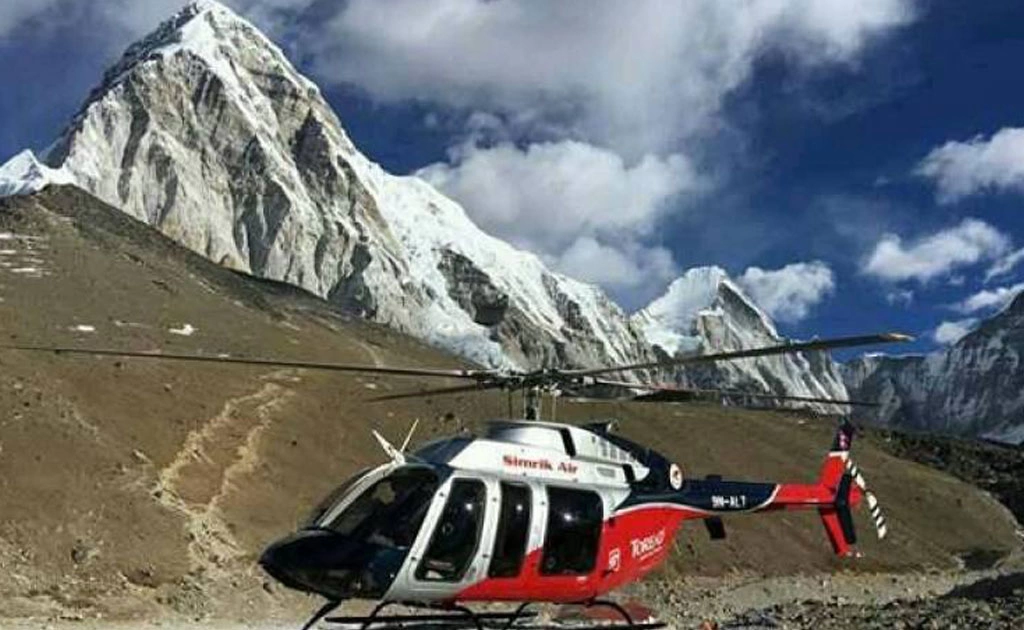
Permit costs are fixed and should always appear in your quote. If a package hides permit details, ask for a line-by-line estimate. Most trekkers also need domestic flight planning for the Lukla route, and weather delays can add extra nights in Kathmandu. A strong Nepal trekking company builds buffer days into the itinerary so your return flight home is not put at risk.
Daily lodging and meals vary by season and elevation. In lower villages, competition keeps prices stable, but at high altitude transport costs increase and menu prices rise. You should plan a flexible meal budget so you can eat enough calories and stay hydrated throughout the trek. Saving too aggressively on food is a common reason trekkers lose energy at the most difficult sections.
Guide and porter support is where value matters more than headline price. Licensed guides improve route decisions, altitude pacing, and emergency response. Porters reduce physical strain and help trekkers maintain a safer walking rhythm. If you are comparing Nepal trekking packages, request details about staff insurance, emergency protocols, and whether your guide has first-aid altitude training.
Gear budgeting is another area where people overspend or underspend. You do not need luxury equipment for every item, but boots, layers, sleeping insulation, and rain protection should be reliable. Renting in Kathmandu can be cost-effective for some items. A good operator can provide a realistic gear checklist with optional rental estimates before you commit.
Insurance is non-negotiable for this route. The Everest region requires high-altitude cover and emergency evacuation protection. Before departure, confirm your policy limits, exclusions, and documentation process for rescue coordination. This one step protects both your finances and your ability to receive timely help if needed.
If your target is a smoother, less stressful trip, choose value over the cheapest quote. The best plan balances safety staffing, proper acclimatization, and clear inclusions. That is how trekkers control Everest Base camp trek cost while still getting the full mountain experience. With careful planning, this iconic journey can be both achievable and deeply rewarding.





.jpg)
.jpg)