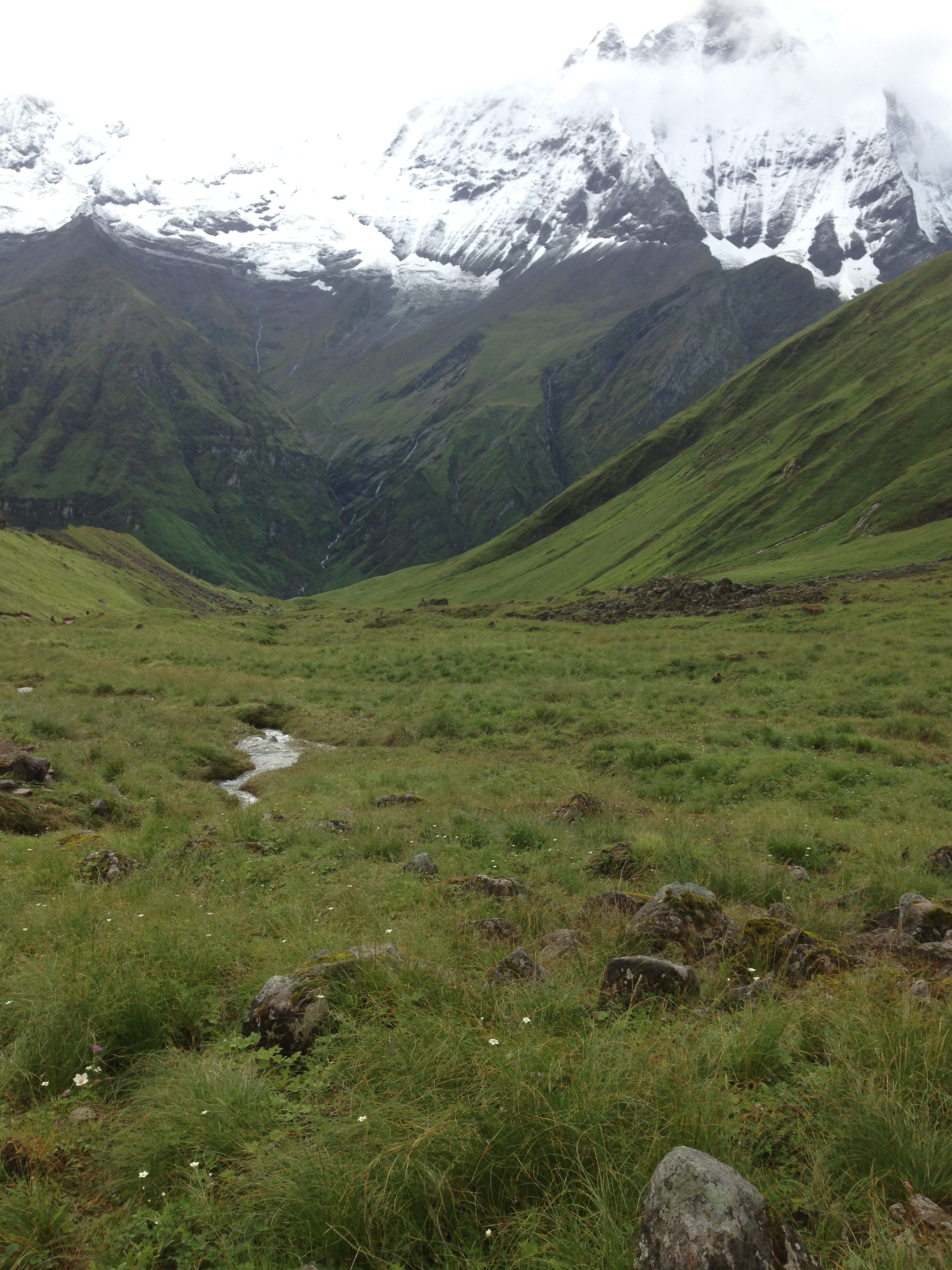


Manaslu Circuit Trek Guide Nepal: Permits, Remote Trail Logistics, and High Pass Readiness
Nepal is one of the world?s most rewarding trekking destinations, and the Manaslu Circuit route in the Gorkha-Manaslu region offers a complete mountain experience for travelers who want meaningful days on the trail. This guide is written for trekkers who want practical detail, realistic expectations, and clear preparation steps before departure. You will find route planning advice, acclimatization strategy, food and lodge guidance, weather timing around stable autumn and clear spring periods, responsible travel tips, and a day-by-day field mindset that helps you stay steady from the first uphill walk to the final return section.
Many people arrive in Nepal with excitement but also uncertainty about fitness, altitude, packing, permits, and how to organize time inside a short holiday window. The goal of this article is to reduce confusion by giving you clear structure and dependable decisions at each stage of the trip. Whether you book a complete package or build a custom itinerary with local support, the same fundamentals matter: move gradually, hydrate consistently, sleep well, pace your uphill efforts, and keep flexibility in your schedule when weather or trail conditions change.
Planning Your Trek Before Arrival
Preparation begins with honesty about your current walking routine. For the Manaslu Circuit journey, a strong base of steady cardio plus leg endurance will make each day more enjoyable. Focus on consistent training for six to eight weeks before travel: long walks with elevation, stair sessions, and moderate strength work for hips, core, and calves. Your objective is not speed; your objective is sustained effort across repeated days. Trekkers who train for recovery as much as exertion usually adapt better once the real climb begins in Gorkha-Manaslu.
When selecting your schedule, protect acclimatization days instead of treating them as optional extras. In mountain trekking, progress is safer when elevation gain is controlled, especially before and after major height jumps. Build a buffer day in Kathmandu and at least one weather buffer at the end of the trail. These cushions help if flights shift, roads delay, or you need extra rest. A calm timeline lowers stress and allows you to enjoy the scenery, local villages, and the distinctive pace that makes remote lodge and village trail trekking in Nepal memorable.
During peak periods around stable autumn and clear spring periods, teahouses can be busy in major stops, so advance planning helps. The best strategy is to start early in the morning, reach your overnight destination by afternoon, and secure rooms before evening traffic arrives. Most lodges provide simple but warm hospitality: dal bhat, noodles, soup, potatoes, tea, and occasional bakery options depending on altitude and supply lines. Keep expectations practical, carry a few backup snacks, and prioritize hot meals and hydration over variety. Consistency supports energy and steady acclimatization.
One common mistake is hiking too fast on days that feel easy at lower elevation. Use a controlled breathing pace from the beginning and keep short breaks frequent rather than long pauses that cool the body. If your group has mixed fitness levels, set a front and rear rhythm that keeps everyone moving without pressure. The conservative high-pass execution principle is simple: no summit photo or viewpoint is worth forcing symptoms. Listen to your body, communicate early with your guide, and adjust immediately if headache, nausea, fatigue, or sleep issues intensify.
Route Flow and Daily Rhythm
When selecting your schedule, protect acclimatization days instead of treating them as optional extras. In mountain trekking, progress is safer when elevation gain is controlled, especially before and after major height jumps. Build a buffer day in Kathmandu and at least one weather buffer at the end of the trail. These cushions help if flights shift, roads delay, or you need extra rest. A calm timeline lowers stress and allows you to enjoy the scenery, local villages, and the distinctive pace that makes remote lodge and village trail trekking in Nepal memorable.
During peak periods around stable autumn and clear spring periods, teahouses can be busy in major stops, so advance planning helps. The best strategy is to start early in the morning, reach your overnight destination by afternoon, and secure rooms before evening traffic arrives. Most lodges provide simple but warm hospitality: dal bhat, noodles, soup, potatoes, tea, and occasional bakery options depending on altitude and supply lines. Keep expectations practical, carry a few backup snacks, and prioritize hot meals and hydration over variety. Consistency supports energy and steady acclimatization.
One common mistake is hiking too fast on days that feel easy at lower elevation. Use a controlled breathing pace from the beginning and keep short breaks frequent rather than long pauses that cool the body. If your group has mixed fitness levels, set a front and rear rhythm that keeps everyone moving without pressure. The conservative high-pass execution principle is simple: no summit photo or viewpoint is worth forcing symptoms. Listen to your body, communicate early with your guide, and adjust immediately if headache, nausea, fatigue, or sleep issues intensify.
The cultural side of the trek is as important as the mountain view. Villages in Gorkha-Manaslu carry traditions built on farming cycles, monastery life, and trade history. A respectful traveler greets hosts, asks before photographing people, dresses modestly in religious spaces, and keeps noise low near prayer areas. Small habits create positive local interactions: remove shoes where requested, pass mani walls correctly, and support family-run lodges. The Nubri and Tsum-influenced mountain culture experience becomes richer when you travel with humility and curiosity, not just with a checklist mentality.
Accommodation, Meals, and Trail Comfort
During peak periods around stable autumn and clear spring periods, teahouses can be busy in major stops, so advance planning helps. The best strategy is to start early in the morning, reach your overnight destination by afternoon, and secure rooms before evening traffic arrives. Most lodges provide simple but warm hospitality: dal bhat, noodles, soup, potatoes, tea, and occasional bakery options depending on altitude and supply lines. Keep expectations practical, carry a few backup snacks, and prioritize hot meals and hydration over variety. Consistency supports energy and steady acclimatization.
One common mistake is hiking too fast on days that feel easy at lower elevation. Use a controlled breathing pace from the beginning and keep short breaks frequent rather than long pauses that cool the body. If your group has mixed fitness levels, set a front and rear rhythm that keeps everyone moving without pressure. The conservative high-pass execution principle is simple: no summit photo or viewpoint is worth forcing symptoms. Listen to your body, communicate early with your guide, and adjust immediately if headache, nausea, fatigue, or sleep issues intensify.
The cultural side of the trek is as important as the mountain view. Villages in Gorkha-Manaslu carry traditions built on farming cycles, monastery life, and trade history. A respectful traveler greets hosts, asks before photographing people, dresses modestly in religious spaces, and keeps noise low near prayer areas. Small habits create positive local interactions: remove shoes where requested, pass mani walls correctly, and support family-run lodges. The Nubri and Tsum-influenced mountain culture experience becomes richer when you travel with humility and curiosity, not just with a checklist mentality.
Packing for the Himalaya should emphasize layering, dryness, and reliable footwear over heavy extras. For this Manaslu Circuit trek, bring one waterproof shell, one insulated mid-layer, moisture-wicking base layers, spare socks, gloves, sun protection, and a warm hat. Your daypack should include water purification, snacks, personal medicine, and a lightweight emergency layer even if skies are clear. The self-sufficient remote trekking gear focus helps you avoid both under-packing and over-packing. Every unnecessary kilogram becomes noticeable on long ascents, so pack for function first.
Altitude Management and Health
One common mistake is hiking too fast on days that feel easy at lower elevation. Use a controlled breathing pace from the beginning and keep short breaks frequent rather than long pauses that cool the body. If your group has mixed fitness levels, set a front and rear rhythm that keeps everyone moving without pressure. The conservative high-pass execution principle is simple: no summit photo or viewpoint is worth forcing symptoms. Listen to your body, communicate early with your guide, and adjust immediately if headache, nausea, fatigue, or sleep issues intensify.
The cultural side of the trek is as important as the mountain view. Villages in Gorkha-Manaslu carry traditions built on farming cycles, monastery life, and trade history. A respectful traveler greets hosts, asks before photographing people, dresses modestly in religious spaces, and keeps noise low near prayer areas. Small habits create positive local interactions: remove shoes where requested, pass mani walls correctly, and support family-run lodges. The Nubri and Tsum-influenced mountain culture experience becomes richer when you travel with humility and curiosity, not just with a checklist mentality.
Packing for the Himalaya should emphasize layering, dryness, and reliable footwear over heavy extras. For this Manaslu Circuit trek, bring one waterproof shell, one insulated mid-layer, moisture-wicking base layers, spare socks, gloves, sun protection, and a warm hat. Your daypack should include water purification, snacks, personal medicine, and a lightweight emergency layer even if skies are clear. The self-sufficient remote trekking gear focus helps you avoid both under-packing and over-packing. Every unnecessary kilogram becomes noticeable on long ascents, so pack for function first.
Weather in the mountains can shift quickly even within a single afternoon. Clear mornings may become windy, cloudy, or lightly snowy at higher points depending on season. Build a habit of checking local updates with your guide before departure each day, then adjust pace and break locations accordingly. Good decision-making is dynamic rather than rigid. If visibility drops or trail conditions deteriorate, a conservative route choice protects the full trip. Safe, steady progress over multiple days produces better outcomes than one aggressive day that drains team energy.
Culture, Etiquette, and Responsible Travel
The cultural side of the trek is as important as the mountain view. Villages in Gorkha-Manaslu carry traditions built on farming cycles, monastery life, and trade history. A respectful traveler greets hosts, asks before photographing people, dresses modestly in religious spaces, and keeps noise low near prayer areas. Small habits create positive local interactions: remove shoes where requested, pass mani walls correctly, and support family-run lodges. The Nubri and Tsum-influenced mountain culture experience becomes richer when you travel with humility and curiosity, not just with a checklist mentality.
Packing for the Himalaya should emphasize layering, dryness, and reliable footwear over heavy extras. For this Manaslu Circuit trek, bring one waterproof shell, one insulated mid-layer, moisture-wicking base layers, spare socks, gloves, sun protection, and a warm hat. Your daypack should include water purification, snacks, personal medicine, and a lightweight emergency layer even if skies are clear. The self-sufficient remote trekking gear focus helps you avoid both under-packing and over-packing. Every unnecessary kilogram becomes noticeable on long ascents, so pack for function first.
Weather in the mountains can shift quickly even within a single afternoon. Clear mornings may become windy, cloudy, or lightly snowy at higher points depending on season. Build a habit of checking local updates with your guide before departure each day, then adjust pace and break locations accordingly. Good decision-making is dynamic rather than rigid. If visibility drops or trail conditions deteriorate, a conservative route choice protects the full trip. Safe, steady progress over multiple days produces better outcomes than one aggressive day that drains team energy.
Budget planning should include permits, transportation, guide and porter service, accommodation, meals, drinks, charging, hot showers where available, tips, and emergency reserve funds. Many trekkers underestimate daily small expenses, especially in higher villages where transport costs raise prices. Carry a practical cash reserve in local currency because digital payments are unreliable on parts of the trail. Financial preparation supports safer choices: you can add a rest day, switch transport, or upgrade logistics if needed without stress. Flexibility is part of successful trekking strategy in Nepal.
Budget, Logistics, and Final Preparation
Packing for the Himalaya should emphasize layering, dryness, and reliable footwear over heavy extras. For this Manaslu Circuit trek, bring one waterproof shell, one insulated mid-layer, moisture-wicking base layers, spare socks, gloves, sun protection, and a warm hat. Your daypack should include water purification, snacks, personal medicine, and a lightweight emergency layer even if skies are clear. The self-sufficient remote trekking gear focus helps you avoid both under-packing and over-packing. Every unnecessary kilogram becomes noticeable on long ascents, so pack for function first.
Weather in the mountains can shift quickly even within a single afternoon. Clear mornings may become windy, cloudy, or lightly snowy at higher points depending on season. Build a habit of checking local updates with your guide before departure each day, then adjust pace and break locations accordingly. Good decision-making is dynamic rather than rigid. If visibility drops or trail conditions deteriorate, a conservative route choice protects the full trip. Safe, steady progress over multiple days produces better outcomes than one aggressive day that drains team energy.
Budget planning should include permits, transportation, guide and porter service, accommodation, meals, drinks, charging, hot showers where available, tips, and emergency reserve funds. Many trekkers underestimate daily small expenses, especially in higher villages where transport costs raise prices. Carry a practical cash reserve in local currency because digital payments are unreliable on parts of the trail. Financial preparation supports safer choices: you can add a rest day, switch transport, or upgrade logistics if needed without stress. Flexibility is part of successful trekking strategy in Nepal.
On trail, your daily routine should be simple and repeatable: wake early, hydrate, eat a warm breakfast, start with an easy pace, maintain steady movement, and finish before late afternoon when weather often becomes less predictable. After arrival, rehydrate, stretch lightly, and eat a complete meal even if appetite dips at altitude. Charge devices when power is available, prepare layers for the next morning, and sleep early. These fundamentals may seem ordinary, but they create the consistency required for strong performance across the full Manaslu Circuit itinerary.




.jpg.jpeg)